
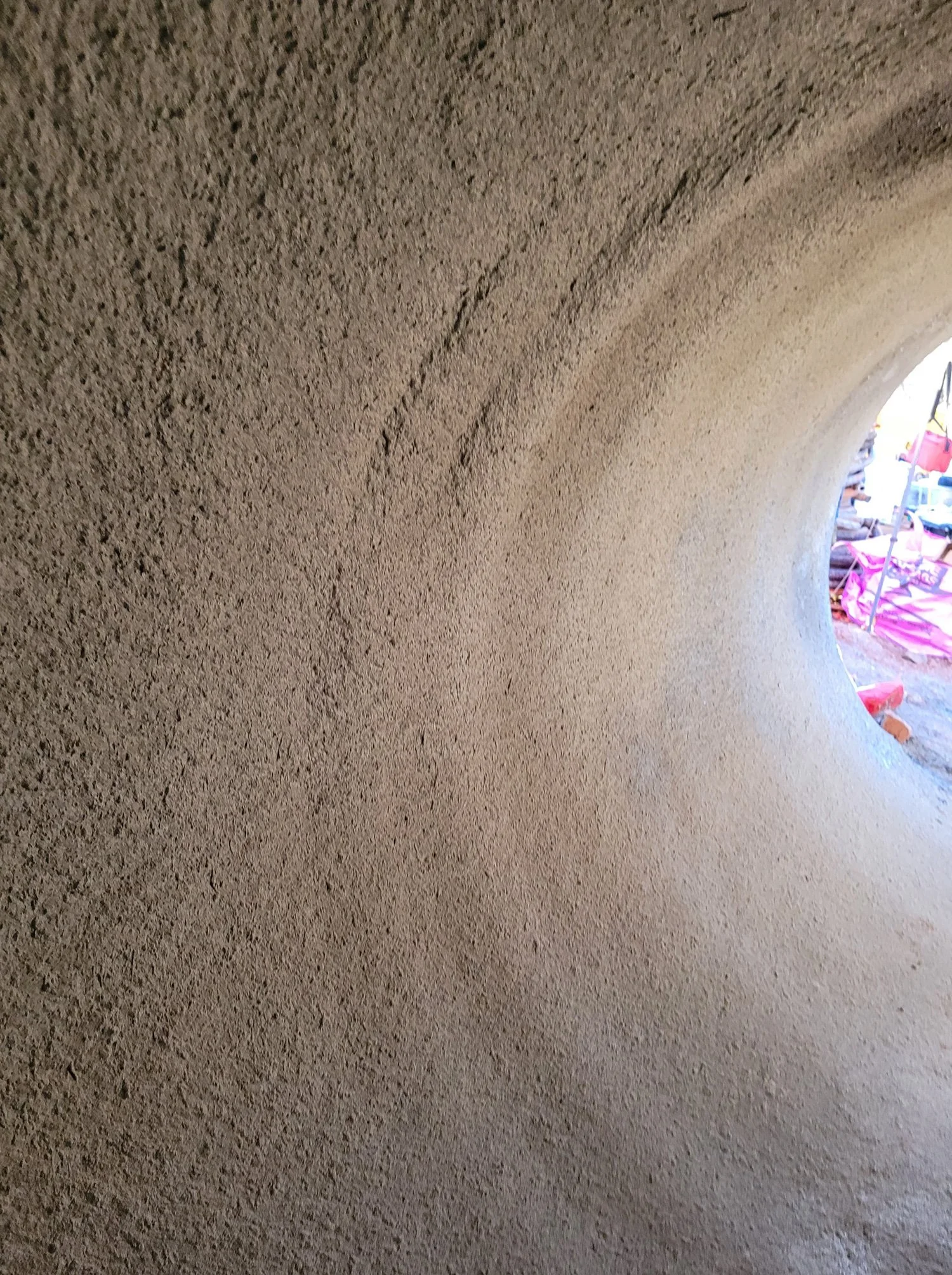
A broken drainage culvert under a busy highway or railway line can be a major headache for asset managers. Leaving structural damage unresolved can increase the risk of further deterioration, but digging up the old pipe can block traffic and add significant cost. This is where trenchless relining offers a practical, less disruptive alternative.
This guide explains how to spot early signs of culvert failure before a collapse occurs. It examines how long traditional pipes last, how modern relining fixes the damage and how to decide if relining is the best choice.
What are the signs a culvert needs relining?
When inspecting these assets, they look for specific indicators of structural distress.
1. Invert corrosion and metal loss
In corrugated metal pipes, the invert (the bottom floor of the pipe) takes the most damage. It faces a constant flow of water, sand, rocks and debris. Over time, this abrasive mix strips away protective coatings, leading to deep rust and holes. Once holes form in the invert, water washes away the supporting soil beneath the pipe, eventually causing the road above to sink.
2. Structural cracking and spalling
Concrete pipes and box culverts are incredibly strong, but heavy traffic can cause them to crack. Fine cracks can quickly turn into deep fractures. When water enters these cracks, it reaches the steel reinforcement bars inside the concrete. The steel rusts, expands and causes large pieces of concrete to flake off. This process is known as spalling, and it severely weakens the asset.
3. Joint separation and water infiltration
Culverts are usually built in sections. Over time, ground movement, soil shifting or heavy loads can push these sections apart. Separated joints allow groundwater to leak into the pipe. As the water forces its way in, it carries the surrounding soil with it. This creates large underground voids that can lead to sudden, dangerous sinkholes on the surface.
Pipe deflection and ovality
Flexible pipes made of plastic or thin steel can deform under heavy loads. If the top of the pipe begins to flatten or the sides push outward, the pipe is deflecting. If a pipe is slightly out of round but still stable, trenchless culvert relining can stabilise the structure and prevent further flattening.
Regularly inspecting underground drainage assets is the best way to prevent sudden failures. Because these structures sit beneath heavy soil and traffic, engineers may need to use CCTV cameras or laser profiling to inspect the inside of the pipe.
What is the lifespan of a culvert?
The total time a culvert remains functional depends mostly on what it is made of, the chemistry of the surrounding soil and the daily traffic weight it supports. Civil assets are built to last for decades, but harsh environmental factors can cut that lifespan short.
Concrete box and pipe culverts
Reinforced concrete structures are the gold standard for durability. In normal conditions, a concrete culvert easily has a service life of 70 to 100 years. However, if the water or soil is highly acidic or if it contains harsh chemicals that cause sulphate attack, the concrete will break down much faster.
Corrugated metal infrastructure
Steel culverts are cheap to install and handle heavy impacts well, but they are vulnerable to the elements. A standard metal pipe generally has a lifespan of 30 to 50 years. In areas with fast-flowing water, salty soil or lots of rolling gravel, the metal can rust through in less than 20 years.
Plastic and HDPE systems
Modern plastic pipes do not rust, scale or corrode from chemicals. Because of this, they have a design life of 50 to 100 years. Their biggest risk is poor installation. If the soil around a plastic pipe is not compacted properly, the pipe will bend and crack under heavy vehicle loads.
Key environmental impacts on culvert lifespan
| Environmental factor | Direct effect on the asset |
|---|---|
| High soil acidity | Eats away at concrete matrices and accelerates rust on steel. |
| Water velocity | Fast water carrying gravel acts like sandpaper, grinding down the pipe floor. |
| Heavy axle weights | Continuous trains or mining trucks cause structural fatigue and cracking. |
| Lack of cleaning | Mud and debris buildup trap moisture, creating highly localised corrosion zones. |
What is the life expectancy of pipe relining?
Structural relining is a permanent engineering fix, not a quick patch. When specialists install modern materials such as geopolymer sprayed liners, tough cement linings or thick-walled plastic sleeves, the new system is incredibly durable. The lifespan of pipe relining is usually 50+ years, matching or exceeding that of a brand-new pipe.
Why pipe relining is a reliable solution
Relining works by installing a completely new, durable pipe inside the old, damaged one. It is a highly reliable option for several key reasons.
Structural independence and load bearing
High-grade structural liners are engineered to stand completely on their own. They do not rely on the old, failing pipe for strength. Even if the original metal or concrete culvert completely rots away over the next 50 years, the inner liner is strong enough to hold up the weight of the dirt, roads and railway tracks above.
Resistance to chemical corrosion
The resins and composite plastics used in modern liners are completely immune to rust and chemical attacks. They handle harsh minerals, acidic rainwater, salty groundwater and industrial runoff without breaking down, solving the main issues that destroy traditional pipes.
Improved hydraulic efficiency
Old culverts often have rough, pitted walls and broken joints that slow down water flow. Structural liners have a glassy, ultra-smooth interior surface. This smooth finish allows water to flow much more quickly, so the culvert can carry just as much water as before, even though the internal pipe diameter is slightly smaller.
For large-scale infrastructure networks, these same trenchless engineering principles are used for specialist tunnel relining projects, securing massive underground spaces without disturbing the surface.
When should a culvert be relined instead of replaced?
Choosing between relining a culvert and digging it up comes down to cost, safety and time. Trenchless methods, such as relining with spray-applied Geocast geopolymer, have completely changed the economics of asset management.
- Deep cover and excavation risks — Digging deep trenches under highways or rail lines is dangerous and requires massive machinery. Relining avoids these hazards by using the existing pipe openings.
- Minimising traffic disruption — Open-cut replacement requires closing roads or tracks, costing transport and mining corridors millions daily. Relining happens entirely underground, keeping overhead traffic moving without stopping.
- Protecting environments and utilities — Trenches disturb local creeks and risk hitting buried utilities, such as gas or power lines. Trenchless repairs keep the worksite small, protecting the environment and preventing utility strikes.
- Project economics — Relining eliminates the need for massive excavation crews, traffic control, dirt disposal and complete road rebuilding, saving significant time and money. This allows regional councils and infrastructure companies to fix more damaged pipes with limited budgets while securing excellent structural performance for decades.
Delivering structural rehabilitation nationwide
Restoring damaged drainage infrastructure safely requires specialised machinery and civil expertise. Ironstone Civil mobilises experienced crews and technical equipment to project sites across Australia, from busy city networks to remote regional mining and rail corridors.
Learn more about our national civil capabilities or contact the team today to discuss specific project requirements.
