
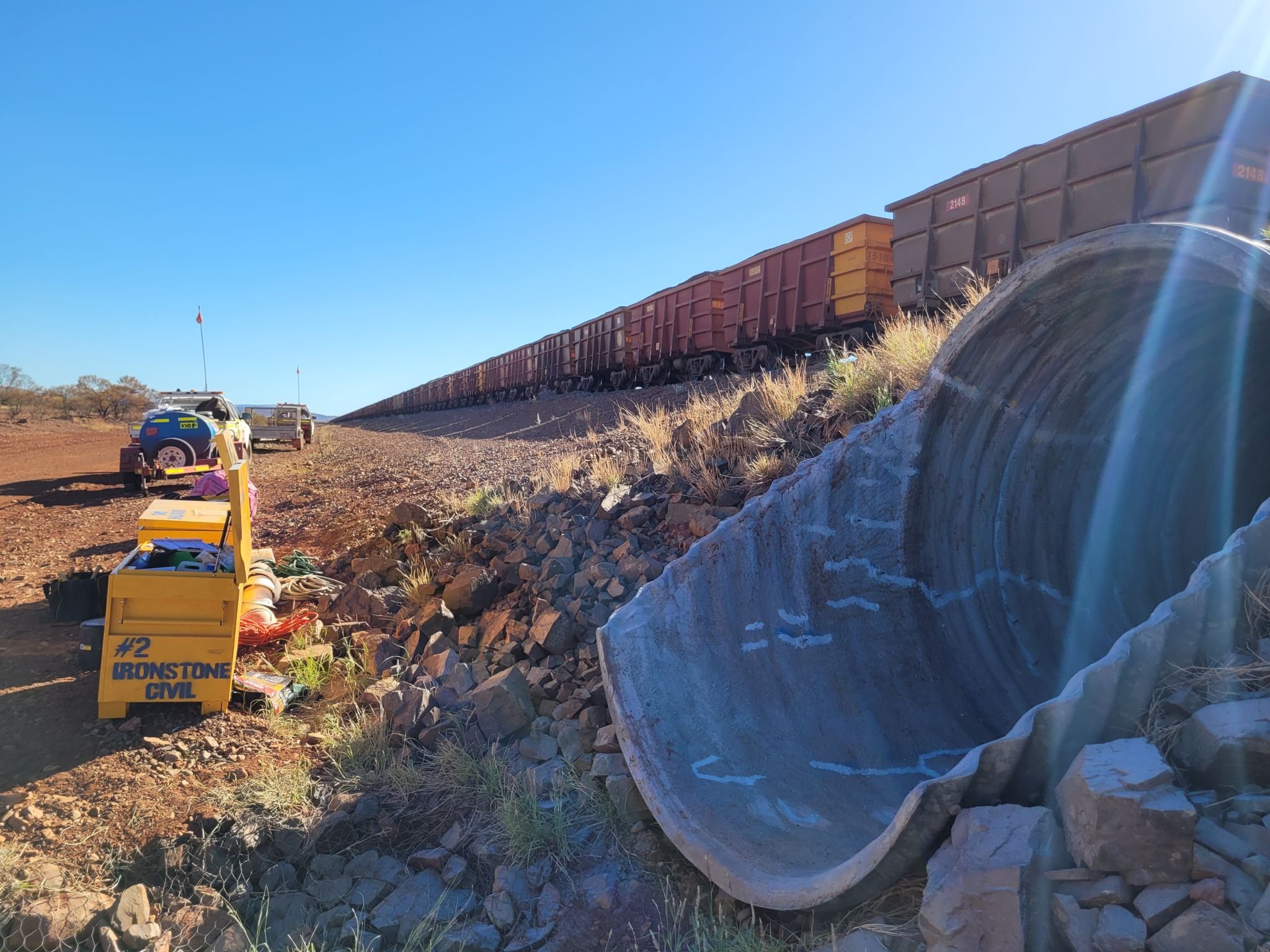
Tunnel Relining
Tunnel deterioration often develops quietly. Small signs like damp patches, surface wear or minor cracking can point to deeper structural issues forming over time. In high-use environments such as rail networks, mining operations and underground infrastructure, these changes can affect safety, performance and operational reliability if not addressed early.
Tunnel relining provides a practical way to restore structural integrity without the need for full reconstruction. By strengthening the tunnel from within, tunnel rehabilitation helps maintain performance, manage risk and extend the service life of existing assets.
Ironstone Civil delivers tunnel relining across Australia, supporting both metro and regional projects. With crews and specialised equipment mobilised as required, each project is carried out with a clear focus on protecting existing infrastructure while improving long-term performance.
What tunnel relining involves on-site
Tunnel relining focuses on reinforcing the internal structure of an existing tunnel. Instead of removing and rebuilding the entire asset, a new lining system is installed to strengthen the tunnel and improve its durability.
Tunnels are constantly exposed to external pressures, including ground movement, moisture and environmental conditions. Over time, these factors can lead to cracking, material breakdown and reduced structural capacity. Structural tunnel relining addresses these issues by introducing a new internal layer that supports the existing structure and improves stability.
This method is commonly used where the tunnel remains structurally viable but requires internal remediation to continue operating safely.
When tunnel rehabilitation becomes necessary
Tunnel issues often progress gradually, making early intervention critical. Tunnel rehabilitation is typically required when performance begins to decline or when structural risks become more apparent.
Some of the more common triggers include:
Age-related deterioration
Older tunnels may show signs of fatigue, including cracking, lining wear or joint movement. Tunnel lining helps restore strength and maintain safe operation.
Ongoing water ingress
Water entering the tunnel can weaken materials and accelerate deterioration. Tunnel relining helps manage leakage and protect internal surfaces.
Changes in ground conditions
Shifts in surrounding soil or rock can place added stress on tunnel structures. Structural tunnel relining provides additional support to manage these forces.
Material breakdown in harsh environments
In mining and underground settings, exposure to moisture, chemicals or varying conditions can lead to corrosion and degradation. Tunnel rehabilitation helps stabilise affected areas.
Restricted access for major works
Where tunnels are part of active infrastructure, full excavation or shutdown may not be practical. Tunnel relining allows remediation to be completed while keeping operations moving.
Where tunnel relining is applied
Tunnel relining is used across a range of infrastructure settings where maintaining structural integrity and continuous operation is essential.
Ironstone Civil supports tunnel relining across Australia, including:
Rail and transport tunnels
Mining infrastructure in Regional WA and Regional NT
Underground service and utility corridors
Water conveyance and drainage tunnels
Civil infrastructure projects in Regional VIC and other regional areas
These environments often involve complex access conditions and operational constraints, requiring a practical and well-planned approach.

How we deliver tunnel relining projects
Each tunnel presents its own set of challenges, so understanding the structure and site conditions is critical before any work begins.
Ironstone Civil approaches tunnel relining with:
A structured assessment process
We assess the tunnel condition, identify areas of concern and determine the most appropriate tunnel lining method.
Performance-focused solutions
Decisions are based on how the tunnel needs to perform, ensuring the selected approach supports ongoing use.
Delivery aligned with site conditions
Work is planned around access limitations, safety requirements and operational demands to reduce disruption wherever possible.
Capability to mobilise nationally
Teams and equipment are deployed across Australia to support projects in both metro and regional locations.
Why Ironstone Civil is a trusted tunnel relining contractor
Tunnel relining projects often come with tight access, active operations and structural risks that need to be carefully managed. The right tunnel repair contractor brings not only technical capability but also the ability to adapt to these conditions without slowing down the project.
Ironstone Civil stands out as a tunnel lining contractor because:
- We have hands-on experience across both metro and regional infrastructure projects
- Our teams understand the demands of working in live environments such as rail corridors and mining sites
- We can mobilise quickly across Australia to support projects where they are needed
- Our focus is on practical outcomes that restore performance and reduce future risk
- Our tunnel remediation contractor approaches each project based on its specific challenges, not a standard template
Start your tunnel relining project with Ironstone Civil
When tunnel performance begins to decline, acting early can make a significant difference to both cost and disruption. Addressing issues before they escalate helps maintain structural integrity and keeps operations running as expected.
Ironstone Civil delivers tunnel relining across a wide range of infrastructure environments, including rail, mining and underground systems. With the ability to mobilise nationally, our team is equipped to support projects wherever they are located.
Speak with Ironstone Civil about culvert relining, tunnel relining, tunnel rehabilitation and structural tunnel relining. We will assess your tunnel, identify the key issues and provide a practical path forward to restore and maintain your infrastructure.