
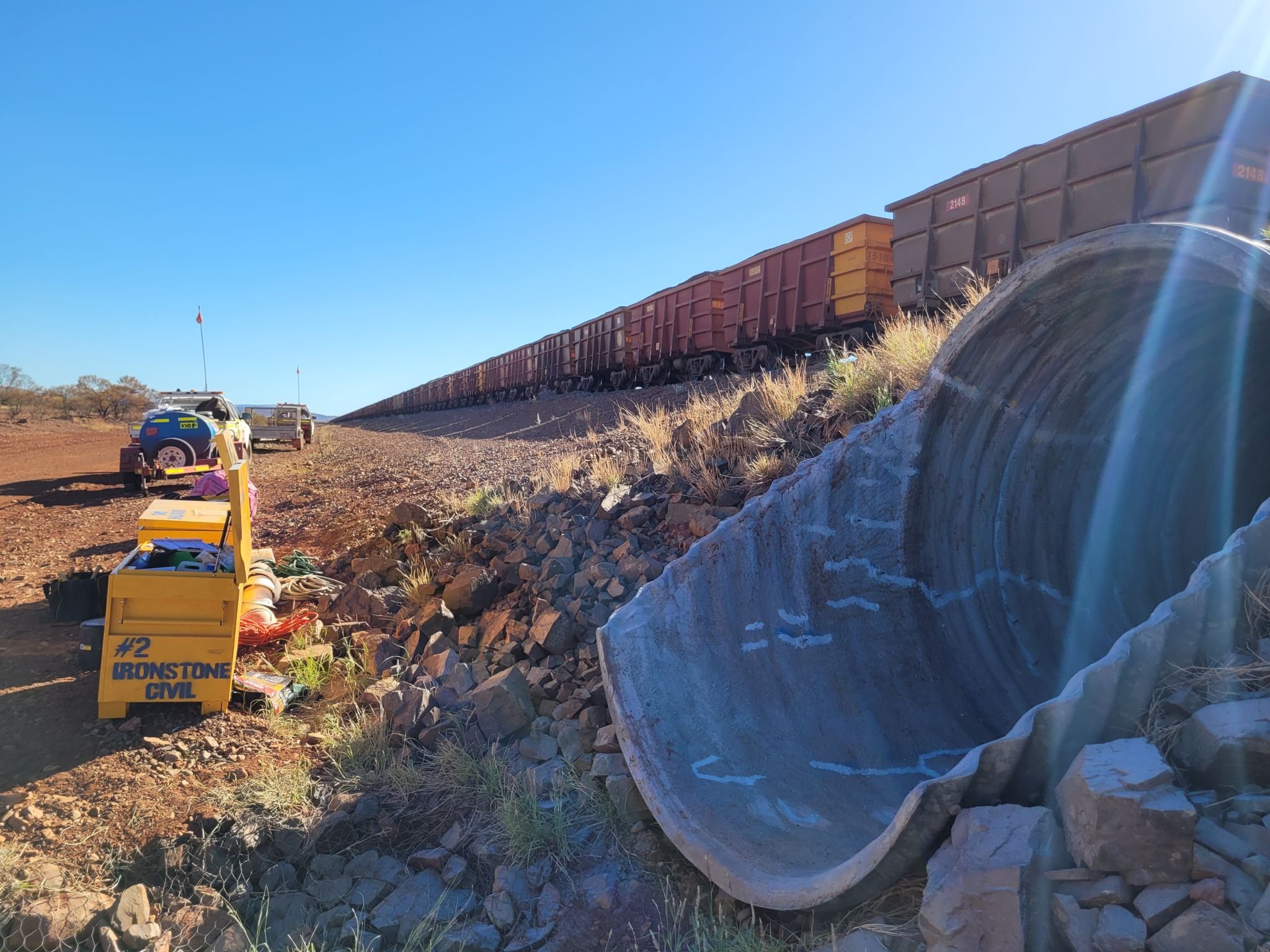
Contact Grouting
Gaps between structures and the surrounding ground are not always visible, but they can have a significant impact on performance over time. Voids, poor bonding or movement in these areas can lead to water ingress, loss of support and gradual structural instability.
In infrastructure like tunnels, culverts and underground systems, these issues can escalate if not addressed early. Contact grouting is used to fill these gaps and create a solid connection between the structure and the surrounding material. By injecting grout into voids and interfaces, this process improves load transfer, reduces movement and helps protect against further deterioration.
Ironstone Civil delivers contact grouting across Australia, supporting both metro and regional projects. With the ability to mobilise crews and specialist equipment where required, each project is carried out with a focus on stabilising infrastructure and improving long-term performance.
How contact grouting stabilises structures
Contact grouting is the process of injecting grout into the space between a structure and the surrounding ground or lining. These spaces can form during construction or develop over time due to settlement, movement or material breakdown.
Contact grouting is used to eliminate voids and ensure the structure is fully supported. This helps improve structural performance and reduces the risk of further movement or water ingress.
Contact grouting in tunnels is commonly used to fill annular gaps behind linings, while culvert contact grouting is used to stabilise pipe structures and restore support around the asset. In both cases, the process strengthens the connection between the structure and its surrounding environment.
Situations where contact grouting is used
Common situations where contact grouting is used include:
Voids behind linings or structures
Gaps can form behind tunnel linings, culverts or other underground structures. Contact grouting fills these voids and restores support.
Water ingress and leakage
Open spaces allow water to enter and move through the structure. Contact grouting helps block these pathways and reduce ongoing exposure.
Settlement or ground movement
Changes in surrounding ground conditions can create gaps or reduce support. Contact grouting helps stabilise these areas and improve load transfer.
Post-construction gaps
In some cases, spaces remain after construction between the structure and the surrounding ground. Infrastructure contact grouting is used to complete the bond and ensure proper support.
Deterioration over time
Ageing infrastructure can develop voids due to material breakdown or environmental conditions. Contact grouting helps restore stability and extend service life.
Where contact grouting is used
Contact grouting is used across a wide range of infrastructure projects where maintaining structural support and stability is essential.
Ironstone Civil delivers contact grouting across Australia, including:
Tunnel contact grouting in rail and underground infrastructure
Contact grouting in tunnels for mining and transport projects in Regional WA and Regional NT
Culvert contact grouting for drainage and water infrastructure
Underground structures and service corridors
Civil infrastructure projects in Regional VIC and other regional areas

How we deliver contact grouting projects
Each contact grouting project requires a clear understanding of the structure, surrounding ground conditions and the extent of voids or gaps.
Ironstone Civil delivers contact grouting through a structured process:
1. Assessment of voids and site conditions
We identify the location and extent of gaps between the structure and the surrounding ground, along with any contributing factors such as water ingress or movement.
2. Grout design and selection
The appropriate grout mix is selected based on the conditions, required strength and flow characteristics needed to fill the voids effectively.
3. Controlled grout injection
Grout is injected under controlled pressure to ensure full coverage and proper bonding without causing additional stress to the structure.
4. Monitoring and verification
The process is monitored to confirm that voids are filled and that the structure is properly supported.
5. Coordination with site operations
Work is planned around access constraints, safety requirements and ongoing operations to minimise disruption.
Why Ironstone Civil is a trusted contact grouting contractor
Selecting the right contact grouting contractor is important to ensure the work is carried out effectively and delivers lasting results.
Ironstone Civil is trusted for contact grouting because:
- We deliver infrastructure contact grouting across a wide range of environments, from metro projects to remote and regional sites
- Our teams have experience with tunnel contact grouting and culvert contact grouting in complex conditions
- We mobilise nationally, ensuring the right crews and equipment are available where needed
- Our focus is on stabilising structures and improving performance over time
- Each project is approached based on actual site conditions, not a fixed method
Plan your contact grouting project with Ironstone Civil
When gaps or movement begin to affect your infrastructure, early action can make a significant difference to performance and repair scope.
Ironstone Civil supports contact grouting projects across Australia. Our team will assess your site, understand the conditions and recommend an approach that stabilises the structure and supports ongoing use.
We also deliver related services, including culvert relining, tunnel relining, bridge deck waterproofing and pipe abandonment grouting, allowing us to support a wide range of infrastructure requirements.